Harmful Algal Blooms: When in doubt, stay out!

Central District Health and the Idaho Department of Environmental Quality issued the first harmful algal bloom health advisory of the summer season on June 23 because of cyanobacterial blooms in Little Camas Reservoir. Most of the year, Idaho’s lakes and reservoirs are safe to enjoy. But when water temperatures increase and the right type of nutrients are available, some bodies of water can produce harmful algal blooms, which can be dangerous for humans, pets, livestock, and wildlife.

What is a harmful algal bloom?

They are bacteria (not algae) that can produce toxins. The blooms are also referred to as cyanobacterial blooms. When weather conditions are calm and there is an increase in water temperature and nutrients, they can rapidly increase in number and produce a bloom. Blooms can occur at any time, but they most often occur in late summer or early fall.

What do these blooms look like?

Harmful blooms can be blue, bright green, brown, or red and may look like paint or anti-freeze floating on the water. As the bloom matures, it may look like foam, scum, or mats on the surface of freshwater lakes and ponds. If you or pets or livestock swim in or drink from water that contains a bloom, the effects can be dangerous.

Continue reading “Harmful Algal Blooms: When in doubt, stay out!”

Elmore County cat recovering from plague infection

Laboratory tests indicate an Elmore County cat was infected with plague. The cat had recent contact with a rodent, which may have been a ground squirrel, or “whistle pig,” before becoming ill. The cat was treated promptly by a veterinarian and is recovering. No additional pets or people are ill.

While Idaho wildlife officials have not detected any ground squirrel die-offs in the state so far this year, the infected cat lives within an area of southern Idaho identified in previous years as a plague-affected area. This is a reminder that plague circulates in fleas, which can affect ground squirrels, voles, and mice, every year in Idaho.

“It is important to take precautions to avoid contact with ground squirrels and their fleas,” said Dr. Leslie Tengelsen, Idaho State Public Health veterinarian. “Make sure your pets have proper flea control and keep them away from ground squirrel habitat, if possible.”  Continue reading “Elmore County cat recovering from plague infection”

Expectant mothers: Reduce your risk of contracting CMV to protect your baby

woman-358779_640

What is CMV?

CMV is short for cytomegalovirus, which is a virus that infects people of all ages but it can be especially devastating for women of child-bearing age because of the impact it can have on their unborn children. The month of June is National CMV Awareness month and the Idaho Department of Health and Welfare is now working to raise awareness of CMV so that expectant mothers, adults and healthcare workers can take basic prevention measures that guard against CMV infection. Continue reading “Expectant mothers: Reduce your risk of contracting CMV to protect your baby”

Rabies in Idaho: Handle bats with care (and very thick gloves)!

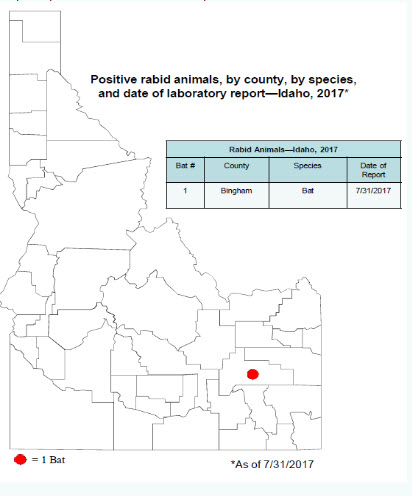
rabiesmapWe haven’t had a report yet, but since this seems to be around the time of year we start to receive reports about rabid bats, so it’s a good time to talk about rabies. Many people still associate getting infected with rabies with domestic dog bites, but since 1960 the majority of all rabid animal cases in the U.S. have been in wild animals and bats. Continue reading “Rabies in Idaho: Handle bats with care (and very thick gloves)!”
Idaho WIC makes annual adjustment to income guidelines

Idaho’s Special Supplemental Nutrition Program for Women, Infants, and Children (WIC) will implement new income guidelines effective July 1, 2018, that raise household income eligibility limits to help offset cost of living increases. This is an annual adjustment.

To be eligible for the WIC program, an individual must be a pregnant or breastfeeding woman, a woman who has recently been pregnant, or an infant or child younger than 5 years old. In addition, the individual must live in Idaho, have a need that can be helped by WIC foods and nutrition counseling, and have a low-to-moderate income.

To be eligible on the basis of income, an applicant’s gross income (e.g., before taxes are withheld) must fall at or below 185 percent of the U.S. Poverty Income Guidelines. For example, under the new guidelines a family of three can earn up to $38,443 annually; under the old guidelines a family of three could have earned up to $37,777 annually. Continue reading “Idaho WIC makes annual adjustment to income guidelines”

Camp cooks: As summer heats up, protect yourself & your family from foodborne illness

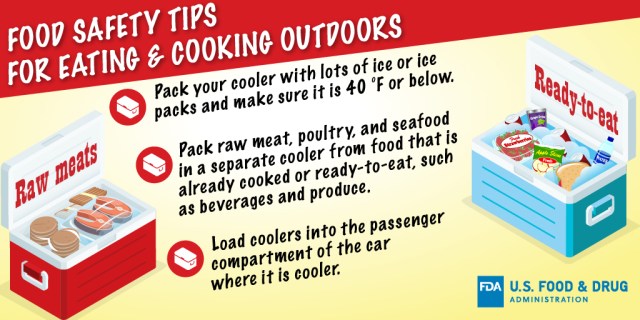
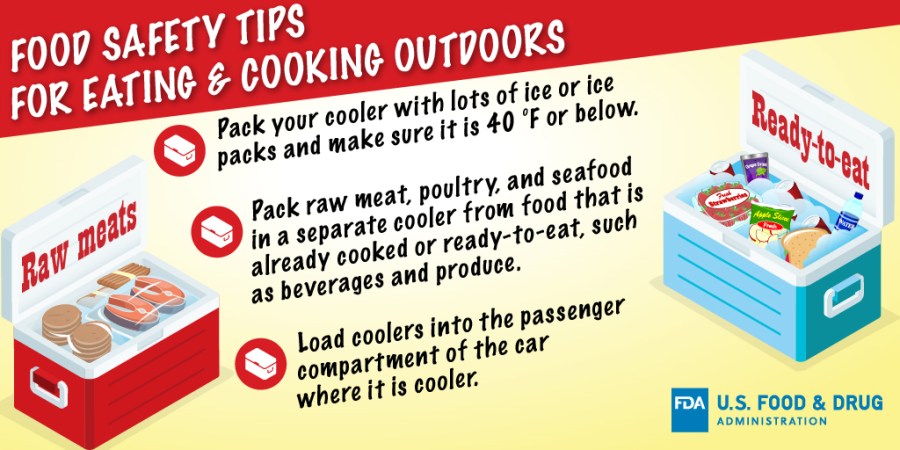
ucm567102Summer in Idaho means sunshine, warm weather and long days, with lots of opportunities to cook and eat outdoors, whether you are backcountry camping, whitewater rafting or enjoying a family picnic in the local park. But as food heats up in the warm weather months, bacteria multiply faster, creating a risk of foodborne illness. So, we thought it was a good time to talk about safe food handling when cooking or eating outdoors. Continue reading “Camp cooks: As summer heats up, protect yourself & your family from foodborne illness”

Screening for Critical Congenital Heart Disease added to required Idaho newborn screenings starting July 1

CCHD Coming Soon (002)_Page_1

Effective July 1, Idaho medical providers will screen all newborns for critical congenital heart disease (CCHD) as part of the panel of required screenings in the state.

Congenital heart defects are the most common type of birth defect and can range from mild to very serious. The very serious heart defects are referred to as critical congenital heart disease, which includes a collection of defects that are present at birth and involve structural problems in the heart or problems with blood flow through the heart. Congenital heart defects account for up to 30 percent of infant deaths caused by birth defects. In Idaho, an estimated 55 babies are born each year with critical congenital heart disease.

Babies born with critical congenital heart disease may appear to be healthy at first, which means they may be sent home with their families before their heart defect is detected. These babies are at risk for having serious complications within those first few days or weeks and often require emergency care.

“Newborn screening helps give babies the best start in life,” said Jacquie Watson, Maternal and Child Health Section Manager in the Division of Public Health. “Early identification and treatment of these serious heart defects means that more babies will live to celebrate their first birthdays and will continue to thrive as they reach other important milestones.”  Continue reading “Screening for Critical Congenital Heart Disease added to required Idaho newborn screenings starting July 1”

Idaho Suicide Prevention Program’s Kim Kane: “Trust your gut if you are concerned about someone or see signs.”

SuicideRatesUSA


KaneKimFrom Kim Kane, IDHW Idaho Suicide Prevention Program Manager:
Even for someone who has worked in the field of suicide prevention for many years, it has been distressing to absorb and process the news this week. Any life lost to suicide, whether in Idaho or nationally, is a tragedy.

But with two high-profile suicide deaths this week — fashion designer Kate Spade and celebrity chef Anthony Bourdain — and a new  report  from the Centers for Disease Control and Prevention (CDC) showing rising suicide rates across the U.S. since 1999,  I encourage you to channel your grief – even if it’s for people you only knew from a television show or a brand name – into understanding more about what you can do to prevent suicide .   Continue reading “Idaho Suicide Prevention Program’s Kim Kane: “Trust your gut if you are concerned about someone or see signs.””

The flu season that was…was deadly – Plan to get your flu shot this fall

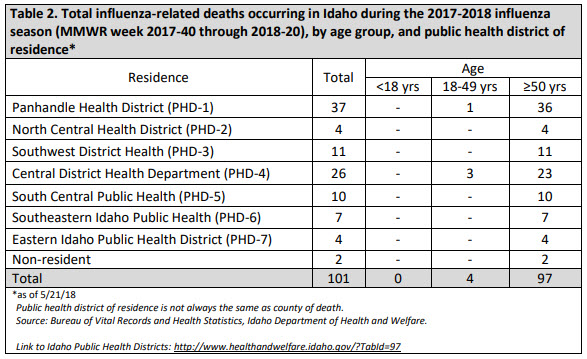
2017-18FluSeasonTotal

Idaho has reported 101 flu-related deaths this season, making it the deadliest flu season in Idaho in several decades. Our state typically sees an average of 22 flu-related deaths each season, and the season lasts from October through May each year. Now that this season is over, I would like to encourage you to plan now for getting your annual flu vaccine in the fall. Public health officials in Idaho would love to see an increase in the 40-50 percent of Americans who get the flu vaccine each year.  Continue reading “The flu season that was…was deadly – Plan to get your flu shot this fall”