
All women, especially those over the age of 30, are at risk for developing cervical cancer, but the Centers for Disease Control and Prevention says it’s also the easiest gynecologic cancer to prevent. Regular screenings are the most effective way to find the disease early and treat it. Unfortunately, Idaho has the lowest rate for cervical screening in the United States. January is National Cervical Cancer Awareness Month, so it’s a good time to learn more and get screened!
Who is most at risk?
Almost all cervical cancers are caused by human papillomavirus (HPV), a common virus that can be passed from one person to another during sex. HPV is so common that most people get it at some time in their lives. For most women, HPV will go away on its own; however, if it does not, there is a chance that over time it may cause cervical cancer. Other factors increasing the risk of cervical cancer are not getting screened, being HIV positive, and smoking. Smoking doubles a woman’s risk of getting cervical cancer.
What are the most common symptoms?
There are typically no symptoms in the early stages of the disease. That’s why regular screening is so important. Continue reading “Cervical cancer screenings prevent cancer – every woman should be screened regularly”

 As we head into the last couple of days of February, there’s another reason besides rising temperatures to welcome March – it’s National Colorectal Cancer Awareness Month, and it’s a good time to figure out when you should be screened. Getting screened for colorectal, or colon, cancer is something Idahoans age 50 and older should consider because it is the second-leading cause of cancer deaths among men and women in the state. In fact, 1 in 20 Idaho adults will develop colon cancer and, sadly, around a third of those diagnosed will die.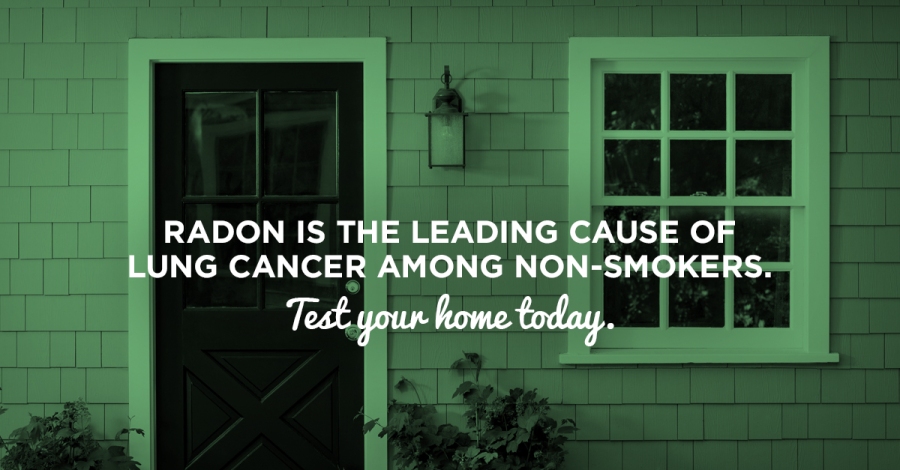
 Radon is an odorless, tasteless gas that has been found at dangerous levels in many homes in Idaho. The dangerous gas is the leading cause of lung cancer for nonsmokers, and it causes more than 21,000 deaths a year in the United States. It’s a serious health issue in Idaho. The good news is that it is a preventable health risk – testing your home can help prevent or reduce exposure.

 DHW Voice