
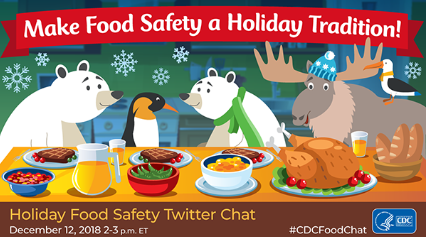
Thanksgiving starts what I like to think of as the season of eating — holiday parties with family, co-workers, and friends offer all kinds of treats! As we’re hosting and attending parties, however, it’s important to remember the basic food safety rules, both as a guest and as a host.
What is the most common cause of food poisoning?
There are more than 250 things that can cause foodborne disease, including viruses, bacteria, parasites, toxins, and things in your food that isn’t supposed to be there. Norovirus is the most common virus to cause food poisoning, while Salmonella is the most common and deadliest bacterial cause. E. coli, campylobacter, shigella, and listeria are also common causes.
Are some people at higher risk of food poisoning?
Yes! Pregnant women should avoid raw cheese because it can contain Listeria. People with suppressed immune systems need to be especially careful to avoid undercooked meats. But nobody’s risk is zero, which is why proper food handling is so important. Continue reading “Happy Season of Eating! Tips to avoid getting sick at your holiday gatherings”

 Today we’re talking about food poisoning, and a serious increase in STEC cases in Southwest Idaho – What the heck is STEC?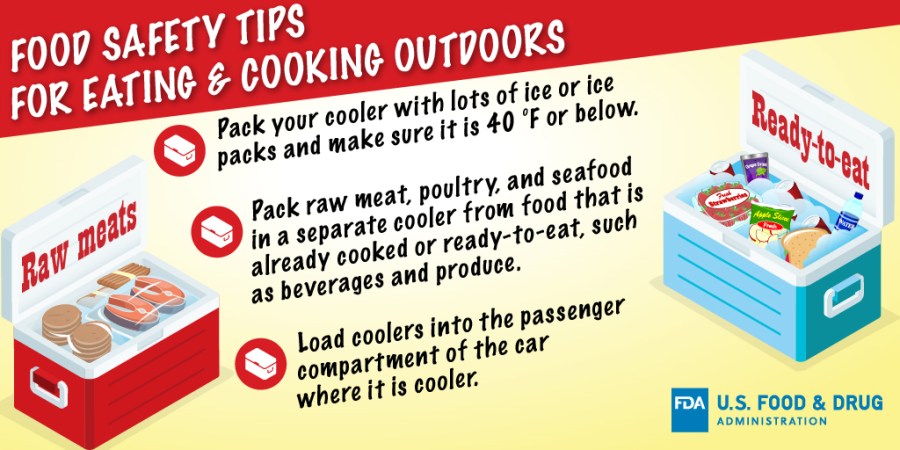
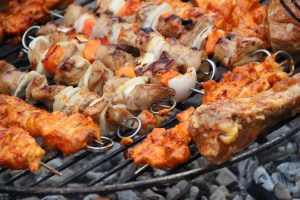
 Summer in Idaho means sunshine, warm weather and long days, with lots of opportunities to cook and eat outdoors, whether you are backcountry camping, whitewater rafting or enjoying a family picnic in the local park. But as food heats up in the warm weather months, bacteria multiply faster, creating a risk of foodborne illness. So, we thought it was a good time to talk about safe food handling when cooking or eating outdoors.
 You may have seen in the news last month that more than 500 people fell ill to norovirus on two separate cruise ships, bringing to 12 the number of major outbreaks of this nasty virus aboard ocean-liners in 2017, according to the Centers for Disease Control. That may lead you to think that norovirus is something you only risk on a cruise ship. But there’s actually a better chance you’ll be infected in restaurants, long-term care facilities like nursing homes and in other places where people gather and share bathrooms – day cares, schools, camps, and big events. Norovirus is also known as the “winter vomiting bug,” so it’s a good time to talk about reducing your risk.
  Holiday parties will offer a tempting array of goodies this winter, but it’s important to remember the basic food safety rules, both as a guest and as a host. Nearly 1 in 6 Americans (or about 48 million) get sick each year from contaminated food, according to the Centers for Disease Control and Prevention. Reducing that number by just 10 percent would keep nearly 5 million people from getting sick each year.
 Unless you’ve been living on the dark side of the moon, you’ve probably heard about the total solar eclipse occurring the morning of Aug. 21 in Idaho. So, it’s a good time to talk about preparation and safety before, during, and after this historic event that’s expected to draw up to hundreds of thousands of viewers to the state.
  DHW Voice