
Wildfire smoke can cause irritating symptoms for healthy people and more serious health issues for people with respiratory issues and heart and lung disease. It’s important to know how to protect yourself and your family from smoky air whenever possible.
Who is most at risk for harmful effects of smoke?
Infants and young children suffer more from smoke because they breathe more air than adults do for their body size. Older adults and people with lung and heart conditions also are especially sensitive to smoke in the air. Even low levels of smoke can cause breathing problems for sensitive groups that have asthma, COPD, and other chronic lung diseases. And for people with chronic heart conditions, smoky air can increase the risk of heart attack or stroke. Smoke can also increase risk of premature birth in pregnant women.
When should we become concerned about the symptoms of smoke exposure?
Common effects of smoke exposure include irritated eyes, nose, and throat. However, if you have shortness of breath, chest pain or tightness, headaches, fatigue, or a combination of those symptoms and they become severe, you should call your doctor immediately.
Continue reading “Smoky air is likely to be with us through summer and into fall. Here’s what you need to know.”
 Wildfire season has arrived, and with it, the smoky air that can make it difficult to breathe is already occurring in some parts of Idaho. Air quality is a big deal this time of year, and it changes depending on where the wildfires are and which way the wind is blowing. It often feels like there’s no escape from the smoke, which can cause irritating symptoms for healthy people and more serious health issues for people with heart and lung disease. So, it’s important to protect yourself and your family from smoky air whenever possible.
 Living in Idaho, it’s easy to think that we don’t have to worry as much about disasters like the hurricanes that have hit the Gulf Coast and East Coast this season. But wildfires, flooding and even earthquakes are real possibilities here, and with September being National Preparedness Month, it’s a great time to think about putting together a go-kit, making a family emergency plan and making sure you’re informed when disaster strikes our state.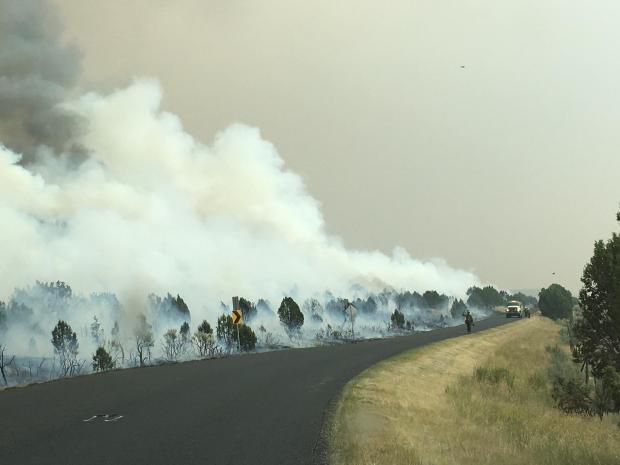


 DHW Voice