
DHW is accepting public comment on Title V Maternal and Child Health Block Grant application through July 14

MCHBlockGrantApplicationThe Title V Maternal and Child Health (MCH) Block Grant Program is one of the largest federal block grant programs and the longest standing public health legislation with the goal of improving the health and well-being of mothers, infants, and children, including children and youth with special health care needs, and their families. Title V supports a spectrum of services, including infrastructure-building services such as quality assurance and policy development, and filling in gaps in direct health care services for children and youth with special health care needs.

Whether you are a parent, government official, advocate, service provider, or member of the general public, the Idaho MCH Block Grant likely touches you or a family member’s life. Its success lies in the strength of partnerships, collaborations, and involvement of Idaho families. Continue reading “DHW is accepting public comment on Title V Maternal and Child Health Block Grant application through July 14”
West Nile virus detected in Canyon County mosquitoes

Mosquitoes infected with West Nile virus (WNV) were detected in Canyon County on June 14, prompting public health officials to remind people to take precautions to “Fight the Bite.” The positive mosquitoes, which are the first detected in the state this year, were collected by the Canyon County Mosquito Abatement District. The positive lab results were confirmed Tuesday.

Last year, one death was reported because of WNV complications, and 11 counties across the state reported finding mosquito pools that tested positive for West Nile virus. Sixteen people and five horses were infected. This first detection of 2019 occurred in western Idaho, an area where positive mosquitoes have been found almost every year since West Nile virus was first detected in Idaho in 2004.

West Nile virus is contracted from the bite of an infected mosquito; it is not spread from person-to-person through casual contact. Symptoms often include fever, headache, body aches, nausea, vomiting, and sometimes swollen lymph glands or a skin rash. In some cases, the virus can cause severe illness, especially in people over the age of 50, and may require hospitalization. On rare occasion, it can lead to death.  Continue reading “West Nile virus detected in Canyon County mosquitoes”

Mosquito and tick prevention: How to avoid getting bitten

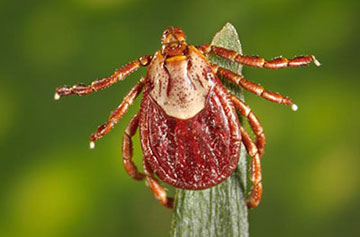
rocky-mountain-wood-tick

Warm summer days means more time outdoors as we take advantage of the weather and longer daylight hours. Unfortunately, the nicer weather also brings out ticks and mosquitoes. A bite from either can cause diseases that might seriously impact your health. It’s important to do everything you can to avoid getting bitten.

Tick- and mosquito-borne diseases can vary by region in the United States. Besides West Nile virus, are there other insect-borne diseases we should be informed about in Idaho?

That is a great question – before you head into the outdoors, you should learn more about the diseases associated with local ticks and mosquitoes. In Idaho, public health officials are most concerned about West Nile virus, Rocky Mountain Spotted Fever, tick-borne relapsing fever, and tularemia.

What about Lyme disease?

We often hear about Lyme disease in the national media, but cases in Idaho are rare and mostly occur in people who traveled to other areas of the country where infected ticks have been found. The tick that carries Lyme disease is not known to live in Idaho, but since cases are tracked by where a person lives rather than where they were infected, Idaho will have some cases over the years, usually in people returning from trips in the eastern or midwestern U.S. The Centers for Disease Control and Prevention is an excellent resource if you want to learn more about the risks of insect bites in a different state or country. Continue reading “Mosquito and tick prevention: How to avoid getting bitten”

Idaho WIC makes annual adjustment to income guidelines

Idaho’s Special Supplemental Nutrition Program for Women, Infants, and Children (WIC) will implement new income guidelines effective July 1, 2019, that raise household income eligibility limits to help offset cost of living increases. This review and adjustment happens annually.

To be eligible for the WIC program, an individual must be a pregnant or breastfeeding woman, a woman who has recently been pregnant, or an infant or child younger than 5 years old. In addition, the individual must live in Idaho, have a need that can be helped by WIC foods and nutrition counseling, and have a low-to-moderate income.

To be eligible on the basis of income, an applicant’s gross income (e.g., before taxes are withheld) must fall at or below 185 percent of the U.S. Poverty Income Guidelines. For example, under the new guidelines a family of three can earn up to $39,461 annually; under the old guidelines a family of three could have earned up to $38,443 annually. Continue reading “Idaho WIC makes annual adjustment to income guidelines”

Rabies in Idaho: Teach your children to avoid bats

​​This is the time of year the department starts to receive reports about rabid bats, so it’s a good time to talk about rabies with your kids. They are out of school by now and playing outside more, so it’s a great time to teach them to avoid bats and to immediately tell an adult if they do find one.

Why is rabies so scary?

The virus is 100 percent fatal for people and animals who do not get timely medical attention. A couple of people in the United States die each year from a rabies infection, usually because they’ve been bitten or scratched by an animal and didn’t seek medical attention soon enough.

What animals in Idaho carry the rabies virus?

In Idaho, rabies is most often found in bats, but the virus also has been found in other animals. In other states, raccoons, skunks, and foxes are natural carriers of the virus, in addition to bats. Continue reading “Rabies in Idaho: Teach your children to avoid bats”

Rabid bat found in Bingham County

Southeastern Idaho Public Health (SIPH) has confirmed that a bat has tested positive for rabies in Bingham County.  This is the first bat to test positive for rabies in Idaho this year. Last year, 12 bats tested positive for rabies in Idaho.  While most bats are do not carry rabies, rabies is a virtually 100% fatal viral illness in humans and other animals. Continue reading “Rabid bat found in Bingham County”

An update on Idaho’s flu season

Idaho’s flu season typically lasts from October through May, and the Department of Health and Welfare has received reports of 57 flu-related deaths this season. That makes it the third most severe flu season in a decade. Idaho typically sees an average of 22 flu-related deaths each season. Now that this season is winding down, I encourage all Idahoans to plan now to get an annual flu vaccine in the fall. We would love to see an increase in the percentage of Americans who get the flu vaccine each year because that means fewer people will require hospitalization from flu complications.

How does the seasonal flu vaccine, which is not 100 percent effective, help us avoid getting the flu?

The flu vaccine works! It reduces your risk of getting the flu, and even more critically, it reduces your risk of landing in the hospital with complications from the flu. This is especially important for people at high risk of getting very sick — for example, children with asthma, adults with heart disease, and elderly people. Just over 200,000 people in the United States are hospitalized for flu-related complications every season, on average.

Do you have to get it every year?

Yes, because immunity decreases over time, and because the viruses in your community are always changing. Flu infects anywhere from 5-20 percent of the population every year. Continue reading “An update on Idaho’s flu season”

Protect your skin! Idahoans have a higher melanoma rate than the rest of the United States

8795_Comp-Cancer-Skin-Cancer-Frame-1 (1)

We’ll soon be spending lots of time in the sun, and many of us won’t properly protect ourselves from its damaging rays. As we get ready for the long Memorial Day weekend to kick off our summer, Friday is National Don’t Fry Day, and it’s a good time to make a promise to yourself to be more responsible in the sun this summer. Sunburns add up. Every time you get a sunburn, your risk for skin cancer increases.

Is it really necessary to take precautions if you’re not outside very long?  

The sun’s ultraviolet rays can damage skin – especially fair skin — in as little as 15 minutes, but it can take up to 12 hours for the full effect to show up. Skin cancer is the most common cancer in the United States, with melanoma being the deadliest form. Idahoans have a higher rate of melanoma than the national average and one of the highest death rates in the nation. So it’s always important to take precautions in the sun.

Who is most at risk?

Those with fair skin or hair, freckles, and blue eyes are at the highest risk for developing skin cancer, but everyone who spends time outside increases their risk and should make sun safety part of their daily routine. While being sun safe is important, early detection is vital in treating skin cancers, so check your skin regularly and see a doctor if you find anything you’re not sure about. Continue reading “Protect your skin! Idahoans have a higher melanoma rate than the rest of the United States”

If you have plans to travel, please talk to your healthcare provider about measles

Even though health officials in Oregon and Washington have declared the measles outbreak in their states over, measles outbreaks are still happening both in the United States and in other countries. The number of measles cases in the U.S. in the first 4 months of the year is the highest it has been in over 20 years, with more than 700 cases. Measles is one of the most highly contagious diseases in the world, so if you have plans to travel anytime soon, make sure your measles vaccination is up to date.

Tell me how it spreads.

Measles is extremely contagious. Infected people can spread the virus to others beginning around four days before the rash appears, and up to four days after. The measles virus can live for up to two hours on a surface or in the air after an infected person has coughed or sneezed. If other people who are not immune breathe the contaminated air or touch the contaminated surface they can become infected – and about 90 percent of those who aren’t immune will become infected, which is not very good odds!

So vaccination is the best way to protect yourself and your loved ones.

That’s right. Getting an MMR immunization, which protects you against measles, mumps, and rubella, is the best way to protect yourself and your family, as well as your friends and community. Continue reading “If you have plans to travel, please talk to your healthcare provider about measles”

Be aware and take precautions: Backyard poultry can carry Salmonella

SalmonellaPoultry_456pxSpring is a great time to replenish your backyard poultry flocks. Keeping backyard poultry can be a great experience for you and your family, and whether you are thinking about buying your first chick or are an experienced backyard poultry enthusiast, you should be aware of the risks of keeping poultry so you know how to keep yourself and your family from getting sick.

What happens when a person is infected with Salmonella?

Salmonella most often causes diarrhea, fever, vomiting, and abdominal cramps anywhere from 12-to-72 hours after infection. An infected person can expect to be sick for four to seven days. If you think you or a loved one has a Salmonella infection, you should seek medical attention immediately.

Who is most at risk of contracting Salmonella from poultry?

Babies, the elderly, and anyone with a weakened immune system can get so sick from Salmonella bacteria that they must be hospitalized. Children are likely to get sick for several reasons: their immune systems are still developing, and they are much more likely to snuggle or kiss the chicks and put their fingers in their mouths after touching the birds. Continue reading “Be aware and take precautions: Backyard poultry can carry Salmonella”