Most important thing you can do to keep kids safe in the water? Pay attention.

(Note: A Closer Look At Your Health airs most Tuesdays at 6:50 a.m. on KBOI News Radio 670. This is the segment from June 7.)

It’s hot, so we’re all headed to the pool later today, right? Before you go, you may want to brush up on some tips to keep you and your family safe from drowning, but also from possibly getting sick.

Let’s start with drowning. What the most important thing to do to help keep people and children safe?

Ten people drown in the U.S. every day, and many are children. The most important thing to do is to simply pay attention. About 75 percent of drownings that involve children happened because an adult failed to pay attention for less than 5 minutes. Swimmers who are struggling to breathe and keep their heads above water likely won’t be able to wave their arms or call for help in an obvious way. They’ll be concentrating on keeping their heads above water. Watching your children carefully while they swim is important so you can see if they are struggling.  Continue reading “Most important thing you can do to keep kids safe in the water? Pay attention.”

Clark County cat suspected to have plague

Preliminary tests of an ill cat from Clark County have come back positive for plague. The cat has recovered from its illness and is doing fine. With summer approaching along with the warmer weather, Eastern Idaho Public Health is asking people to take precautions as they spend more time outdoors. Read the full news release here.

Elmore County Cat Likely Died from Plague

Central District Health Department issued a news release this afternoon advising people to take precautions with their pets in desert areas that may contain rodents carrying the plague. Preliminary lab results of a pet cat that died in Elmore County show probable infection with the plague bacteria.

The state reported die-offs of ground squirrels, often referred to as whistle pigs, from plague last week. Plague is transmitted through the bite of fleas and can cause serious illness to people and pets if not treated quickly.

To read the Central District Health Department’s news release, please click here

Act F.A.S.T. if you think someone might be having a stroke

Note: A Closer Look At Your Health airs at 6:50 a.m. most Tuesdays on KBOI News Radio 670. This is the edited transcript from the May 31 segment. Join us next week! 

Stroke can happen to people of all ages and backgrounds. In fact, someone in the United States has a stroke every 40 seconds. The good news is that it is preventable and treatable, especially if you can recognize the signs and get treatment right away.

What is a stroke?

A stroke, sometimes called a brain attack, occurs when a clot blocks blood flow to the brain (ischemic stroke) or when a blood vessel in the brain bursts (hemorrhagic stroke). It is the fifth leading cause of death in Idaho and the U.S., and we’re seeing it happen more often to people we wouldn’t expect, like younger people. Continue reading “Act F.A.S.T. if you think someone might be having a stroke”

Memorial Day weekend means summer is here! (Yay!) Will you be safe?

As we get ready to hit the road, pack our coolers for picnics and camping trips and generally get ready for the official start to the summer (finally!), we hope you’ll take the time to brush up on some health and safety tips so you and your families have a fun and rewarding summer.

Be safe on roads and highways: Every hour, an average of two traffic accidents happen somewhere in our state, with too many resulting in fatalities. Aggressive driving contributes to almost half of all motor vehicle deaths. From Memorial Day throughout the summer, more vehicles will be traveling Idaho roads, so be patient and don’t take foolish chances to arrive a few minutes early. Other travel safety tips include:

  • Be sure your vehicle is ready for travel. Check the tire air pressure (including the spare tire), along with belts, fluids, and lighting.
  • Don’t overload your vehicle.
  • Make sure everyone in your car is wearing a seatbelt.
  • Don’t text or talk on a cellphone while you’re driving. Don’t become distracted trying to do other things as you drive. A car traveling at 65 mph covers 95 feet per second. A one-second distraction could result in a serious accident and injuries.
  • Be aware of symptoms of fatigue or “highway hypnosis.” Take a break if you feel drowsy.
  • Take your time and be patient; it’s better to get there in one piece. Allow ample space between your vehicle and others on the road and pay attention to the speed limits and other traffic signs.
  • Don’t drink alcohol and drive.
  • Don’t leave your child or your pet unattended in the car, even for just a few minutes. It can heat up quickly to dangerous temperatures.

Continue reading “Memorial Day weekend means summer is here! (Yay!) Will you be safe?”

Plague Suspected in Treasure Valley Ground Squirrel Deaths

Preliminary tests of ground squirrels (whistle pigs) found dead in desert areas of Ada and Elmore counties have come back positive for plague.  Idaho public health and Idaho Fish and Game officials are asking people to take precautions as outdoor summer activities shift into high gear over the long Memorial Day weekend.

Ground squirrelLast year, plague was confirmed in ground squirrels in the same general areas of southern Idaho (see map below). It can circulate in wild animal populations every year. Confirmatory laboratory tests are being conducted, with results expected next week.
Plague is a bacterial disease of rodents that is transmitted through the bites of infected fleas and can cause serious illness to people and pets if not treated quickly. Continue reading “Plague Suspected in Treasure Valley Ground Squirrel Deaths”

Mosquito season has begun! Tips to avoid mosquito bites (and reduce risk of West Nile)


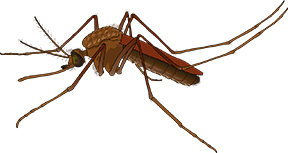
mosquitoMosquito abatement districts are surveying and treating for the pesky little blood-suckers earlier than usual because spring has been so mild. So now is a good time to go over the precautions you should take to protect yourself and your family from mosquito bites. Zika virus has been in the news a lot lately, but in Idaho and the rest of the United States, we worry the most about mosquitoes transmitting West Nile virus. This early in the season, we’ve had no reports of West Nile in mosquitoes, humans or horses. Last season in Idaho, 13 people and four horses were infected in six counties. Fortunately, there were no deaths.

Who needs to be thinking about how to avoid West Nile virus?

Everyone who plans to be outside this summer and fall should be thinking about how to avoid mosquito bites. The virus is transmitted by the bite of an infected mosquito. We tend to see the most human illnesses from the virus in July and August, but that could change this year since the weather warmed up so quickly. Continue reading “Mosquito season has begun! Tips to avoid mosquito bites (and reduce risk of West Nile)”

LiveBetterIdaho.org is a new and unique way for consumers to discover and connect to supports that can help them live healthier lives.

LiveBetterIdaho.org offers a ‘holistic web approach’ for Idahoans

Live better, Idaho.

A new website focused on empowering Idahoans to do just that is now available.

LiveBetterIdaho.org is a new and unique way for consumers to discover and connect to supports that can help them live healthier lives. By linking them to appropriate services, they can be empowered to make better choices and – we hope — move themselves and their families to independent, healthier lives.

“It is a very ambitious goal and helps the public quickly take action to access local, state and national resources available to help Idahoans,” said Dick Armstrong, director of the Idaho Department of Health and Welfare (DHW). “LiveBetterIdaho.org is more of a holistic web approach for people who want to improve their lives. It can help them put food on their tables, enroll in a nutrition education class, find jobs and mentors, make child support payments, quit smoking, and get access to healthcare, among other things.”

LiveBetterIdaho.org is a new and unique way for consumers to discover and connect to supports that can help them live healthier lives.

The site was created by the Idaho Department of Health and Welfare to fulfill an initiative in its strategic plan, but the department is only the facilitator for a strategy of connecting people in need to a larger framework that includes community partnerships and services in addition to public assistance programs. Continue reading “LiveBetterIdaho.org offers a ‘holistic web approach’ for Idahoans”

April is STD Awareness Month. Do you know your status?

Talk. Test. Treat. Those are three simple things you can do to protect your health. Most people don’t really want to talk about sexually transmitted diseases, but the truth is that a hidden epidemic of STDs is happening in this country now. The Centers for Disease Control and Prevention estimates that 20 million new infections happen each year, and that there are now more than 110 million sexually transmitted infections in men and women in the United States.

What are some of the most common STDs in Idaho?

Chlamydia, gonorrhea, and syphilis have been on the rise in Idaho for the past several years. Idaho’s local health departments reported sharp increases in gonorrhea and syphilis cases in 2014-2015, and a high number of cases continue to be reported this year. The good news is that most sexually transmitted diseases are preventable, treatable, and even curable when they’re caught early. But you must be tested and diagnosed. If you are sexually active and haven’t been tested, now would be a good time to make an appointment with your doctor or visit a clinic to discuss your options. Continue reading “April is STD Awareness Month. Do you know your status?”

Are your children current on their immunizations?

ImmunizeGirl

(Note: A Closer Look At Your Health airs at 6:50 a.m. most Tuesdays on KBOI News Radio 670. This is an edited transcript of the segment from April 19.)

This week is a good time to ponder that question because it’s National Infant Immunization Week, and World Immunization Week is next week. It’s a good time to talk about making sure you and your family are fully protected against infectious diseases.

This week, the focus is on infants. Why infants specifically instead of all children?

While it’s important that all children have received the recommended vaccinations, giving babies the recommended immunizations by the time they are 2 is the best way to protect them from 14 serious childhood diseases, including whooping cough and measles. Parents are encouraged to talk to their child’s doctor to make sure their babies’ immunizations are up-to-date. Continue reading “Are your children current on their immunizations?”