
Air quality can be a big deal this time of year, and it changes depending on where the wildfires are and which way the wind is blowing. Wildfire smoke can cause irritating symptoms for healthy people and more serious health issues for people with heart and lung disease. It’s important to know how to protect yourself and your family from smoky air whenever possible.
Let’s start with precautions: How can we limit our exposure to smoke?
Mostly, you should reduce your time and activities outside as much as possible. Stay indoors in air-conditioning, if you can. If you don’t have air conditioning, go someplace that does, like the mall or library. Otherwise, there are several things you can do to limit the smoky air you breathe:
- Keep your windows and doors closed.
- If you have central air conditioning, use an air filter rated MERV 8 or higher and turn your system fan setting to on.
- If you have to drive in smoky areas, turn the vehicle air flow to recirculate to reduce the amount of smoke in the vehicle.
Continue reading “Wildfire season means it’s time to pay attention to air quality.”


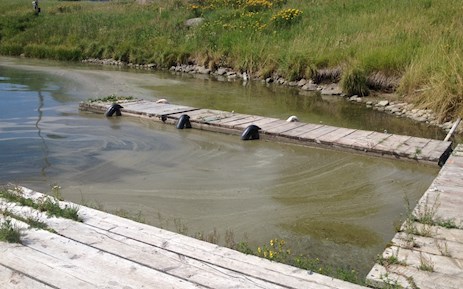
 Thanks to all the summertime picnics, swimming, and cookouts, summer is also a time for more poisonings. As the seasons and weather change, so do the types of calls to the Nebraska Regional Poison Center, which handles calls from Idaho.
 The Title V Maternal and Child Health (MCH) Block Grant Program is one of the largest federal block grant programs and the longest standing public health legislation with the goal of improving the health and well-being of mothers, infants, and children, including children and youth with special health care needs, and their families. Title V supports a spectrum of services, including infrastructure-building services such as quality assurance and policy development, and filling in gaps in direct health care services for children and youth with special health care needs.
 DHW Voice